Poison dart frogs, like this sapphire-blue species, are highly toxic. Their brilliant colors serve as warnings to potential predators to keep away
continue

poison dart frog
Poison dart frogs, members of the Dendrobatidae family, wear some of the most brilliant and beautiful colors on Earth. Depending on individual habitats, which extend from the tropical forests of Costa Rica to Brazil, their coloring can be yellow, gold, copper, red, green, blue, or black. Their elaborate designs and hues are deliberately ostentatious to ward off potential predators, a tactic called aposematic coloration.
Some species display unusual parenting habits, including carrying both eggs and tadpoles on their backs. Although this "backpacking" is not unique among amphibians, male poison arrow frogs are exceptional in their care, attending to the clutch, sometimes exclusively, and performing vital transportation duties

poison dart frog

poison dart frog

poison dart frog
Dendrobatids include some of the most toxic animals on Earth. The two-inch-long (five-centimeter-long) golden poison dart frog has enough venom to kill 10 grown men. Indigenous Emberá people of Colombia have used its powerful venom for centuries to tip their blowgun darts when hunting, hence the genus' common name.

poison dart frog
Scientists are unsure of the source of poison dart frogs' toxicity, but it is possible they assimilate plant poisons which are carried by their prey, including ants, termites and beetles. Poison dart frogs raised in captivity and isolated from insects in their native habitat never develop venom.
The medical research community has been exploring possible medicinal uses for some poison dart frog venom. They have already developed a synthetic version of one compound that shows promise as a painkiller
 beautifull birds
 dangerous birds
 dangerous birds
 dangerous birds
 most dangerous birds
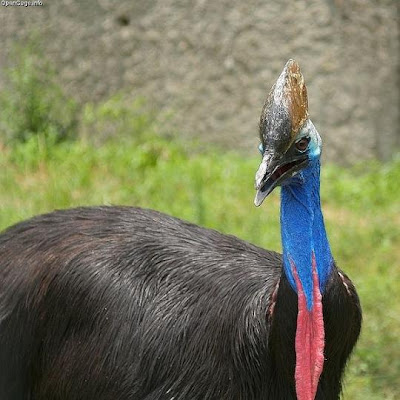 dangerous birds
 dangerous birds
 dangerous birds
 monkey pictures
 monkey pictures
 monkey pictures
 monkey pictures
 monkey pictures
 monkey pictures
 monkey pictures
 forest animals
 forest animals
 forest animals
 forest animals
 forest animals
 forest animals
 forest animals
 forest animals
 forest animals
 venomous animals
 venomous animals
 venomous animals
 venomous animals
 venomous animals
 venomous animals
 venomous animals
 venomous animals
 venomuos animals
 numura jellyfish
 high advance jellyfish
 diffrent type jellyfish
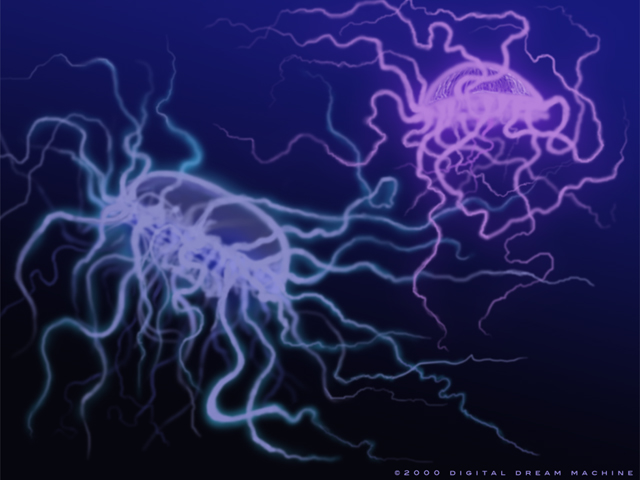 jellyfish photo
 jellyfish
 jellyfish
 jellyfish image
 jellyfish
 jellyfish